









Opera might not be the most popular genre among kids, but it is a classic for a reason. This is a form of theatre characterized by the use of music as the primary dramatic element. It usually employs scenery, costumes, and grand orchestral pieces to create its grand storytelling.
Opera’s sense of grandeur sets it apart among theatre genres; however, it can be enjoyed by everyone. Opening yourself to a new form of art that uses raw emotion as a vehicle can be deeply rewarding. Even as you get used to the singing, you may appreciate other aspects like the wardrobes, stage design, and performances. Using classic stage backdrops will also give them an extra boost of confidence and is sure to take your stage to the next level.
Teaching kids to enjoy a wide variety of art forms through youth opera will nurture their understanding of art and music. Rather than looking away when something is unfamiliar, they will most likely leap into new things, hoping to find something relatable and even beautiful.
History of Opera
Opera as a genre first appeared in 1597. Jacopo Peri, an Italian composer, completed Dafne, which told the story of Apollo, who fell in love with Daphne, a nymph. It is largely based on Metamorphoses, a series of poems by Ovid.
Ever since its creation, Opera has evolved alongside the musical genres that have become popular over the years. It combines music, acting, drama, stage design, costumes, and makeup to create a unique expression.
Peri’s contribution to the genre goes beyond just its creation. He also developed the earliest surviving opera, Euridice, in the 1600s. It was not until the 18th century that opera became a phenomenon all across Europe, and several opera houses were built in different locations. Subgenres appeared, seria and buffa, which allowed the art form to find its own ground. The plots were usually based on mythology, drawing comparisons between the noble and the sacred.
Evolution and Renowned Composers
One of the great pivots of opera music was the introduction of the great Wolfgang Amadeus Mozart. Some of the most loved operas of all time were composed by him, as most of them have survived until today.
Then, during the 19th century, composers like Richard Wagner and Giuseppe Verdi brought the genre to an all-time high with compositions like The Flying Dutchman, Rigoletto, and La Traviata.
Famous composer Debussy also explored the genre, creating the gorgeous Pelléas et Mélisande. Richard Strauss wrote Salome, which remains relevant today.
Many composers explored different themes and approaches. This exploration produced many works, and soon opera drew inspiration not just from classical music; jazz and other contemporary genres became influences for beloved works around the world.
Opera in Modernity
Although it was originally conceived for the royal and wealthy in the 17th century, opera has endured the passage of time. Nowadays it can still delight people of all ages and classes.
Many modern operas have found a great deal of success. Themes have shifted, and instead of comparing gods and royals to please the wealthy, they focus on political and social commentary. This shift only proves that any form of art, as classical as it may seem, only reflects the life of those writing and experiencing it.
Many modern operas are based on popular books. The Handmaid’s Tale, a popular book about a dystopian society where women are made to bear children for the rulers, was adapted into an acclaimed opera that premiered in the year 2000.
Blue is another great example. This opera premiered in 2019, and it follows the story of a black family thrown into tragedy after a police officer shoots their son. Opera proves to be a great medium to portray contemporary stories that tackle modern issues; it is not made to entertain the upper class anymore, but to give a voice to those who need it.
Why is Opera Still Important
Opera has become a form of art that exists in a limbo: it is thought to be made only for grand storytelling and appreciated by the upper class or people with refined taste, but instead it is made for all kinds of people while targeting subjects that anyone can relate to.
This evolution proves that art evolves and adapts to the era, the same way the era is deeply influenced by the art it inspired. Life imitates art, and art imitates life. To reinvent itself, it has toned down the overly dramatic singing and focused more on the story itself.
Why Opera is Important For Kids
Although it is considered a form of grand storytelling, opera can still be for kids. Opera is a wonderful example of how to elevate your stage without compromising. Kids of all ages will easily gravitate towards classical music and opera productions if we make an effort to teach them early.
And going all out with an opera production is easier than you think. Challenging kids to be creative, to push themselves, and create something that only exists in their imagination is an amazing learning experience. Not to mention all the benefits listening to classical music has, especially for kids, as it supports their development; it improves their memory and their attention. Elementary music teachers and children’s choir directors often rely on classical music to enrich their teachings and build other skills. Combining these with classical stage backdrops creates the perfect environment for kids to enjoy a new environment and develop their imagination and appreciation of the art.
5 Essential Operas for High Schoolers
There is no doubt that opera remains an important art form and should continue to be performed in theaters around the world. Given its many benefits and tonal variety, opera should also be highlighted in high school as part of the theater experience. Here are some beginner-friendly operas that are easier to stage than you might imagine and are set to blow your audience away.
Carmen by Georges Bizet
Based on a true story, this adaptation of Prosper Mérimée’s book is full of twists, drama, highs and lows. Carmen works in a cigarette factory, waiting for her break in life. She charms everyone she meets. One day, she’s accused of drawing a knife during a fight with another lady. Carmen is sent to prison, but after seducing José, a soldier, he lets her escape.
Carmen and José fall in love, but he is consistently torn between his feelings and his duty. However, their bliss doesn’t last forever. Join Carmen in this acclaimed story as she fights to find herself and true love in an unforgiving world.
To elevate this experience and turn it into an interactive moment where children can learn and have fun, use our Spanish Street backdrop. This drop features the exterior view of a Spanish-style road that makes you feel like you’re strolling through the sidewalks of Havana, Cuba, or Mexico City.

To bring your play to a whole new level, you can also rent our Spanish Bullfight with Cut Opening, which transports you to the exterior of a bullfighting stadium. The curved openings on either side of the stadium are draped in green curtains, but the middle opening is an actual cut-out that allows your actors to walk in and out.

You may also use our Tavern backdrop. It depicts the inside of an old-fashioned bar, with a large chandelier illuminating the ceiling and a stack of barrels against the far left wall. A bar stands on the left, with a stone brick fireplace with roaring flames in the center. The walls are adorned with drapery, candles, other decor, and a cabinet full of dishes.
Finally, use our Town Square backdrops to depict the cigarette factory’s surroundings. This backdrop features a statue of a soldier mounted on a horse, with a plaque on the pedestal in the middle of a circular garden. Buildings line up on each side of the street, while several streetlights light up the empty street, along with shrubs and trees next to the buildings. In the background, there is a cloud-strewn blue sky.
The Magic Flute by Mozart
Tamino is a prince in search of something larger than life. One day, he finds himself running away from a wild snake. Unexpectedly, he is rescued by three ladies who show him the portrait of a princess named Pamina, daughter of the Queen of the Night. Upon seeing her portrait, he falls in love with the princess and agrees to rescue her from the man who has kidnapped her, Sarastro.
Tamino is granted a companion, Papageno, who vows to join him in his journey to save the princess while still looking for happiness himself. This magical journey, filled with love, hope, twists, and comedy, will change Tamino’s entire life and grant him the adventure of a lifetime.
To showcase your version of these classics, start out by renting our Blue Night Forest, which features a bewitching spectacle as dark blue trees and shrubs frame the scene with a glimpse into a magical night sky. Silhouetted trees dance under the blue glow of a radiant white moon.
Another great alternative is our Mystical Forest. This backdrop is filled with dark trees and a mossy, green grass forest floor. Yellow orbs can be seen floating throughout the air that resemble fireflies. With black light, these dots glow and come to life along with the forest floor.
Bring the mystique of the Queen of the Night with our Full Moon Sky theatrical backdrop. It depicts a very dark sky with gray and menacing clouds, which surround a bright, full moon. The moon is still bright enough to cast light on the clouds and illuminate them.
To showcase Sarastro’s fantastical kingdom, rent our Fantasy Columns. This scenic backdrop features tall white candelabras on top of Greek columns, all under a dark blue starry sky. The simplicity of this design allows the director to use it in a multitude of scenes.

If you wish to go for a more dramatic flair, you can also use our Royal Ballroom. It displays three grand doors adorned with ornate red drapery, opening to a view of a sparkling night sky. Overhead, three magnificent chandeliers hang from the ceiling, completing the sense of grandeur and opulence.
Use this backdrop to showcase the trials of water and fire, and how Tamino and Pamino conquer every challenge to be together.
La Bohème by Puccini
La Bohème is another timeless classic composed by Italian composer Giacomo Puccini. It follows Rodolfo and Mimì, a young couple struggling with poverty during the 1830s in Paris. Rodolfo and Mimì meet during a cold evening. Rodolfo lives in a garret with other artists like himself. When Mimì knocks on his door because her candle went out, they both fall in love.
Despite their love for each other, Rodolfo worries his poverty prevents him from taking better care of Mimì’s fragile health. This struggle will lead them into a back-and-forth, where they both yearn for one another, but understand there are things they cannot give to each other. This powerful story not only highlights the excitement of the bohemian lifestyle, but also the difficulties of making ends meet for regular people.
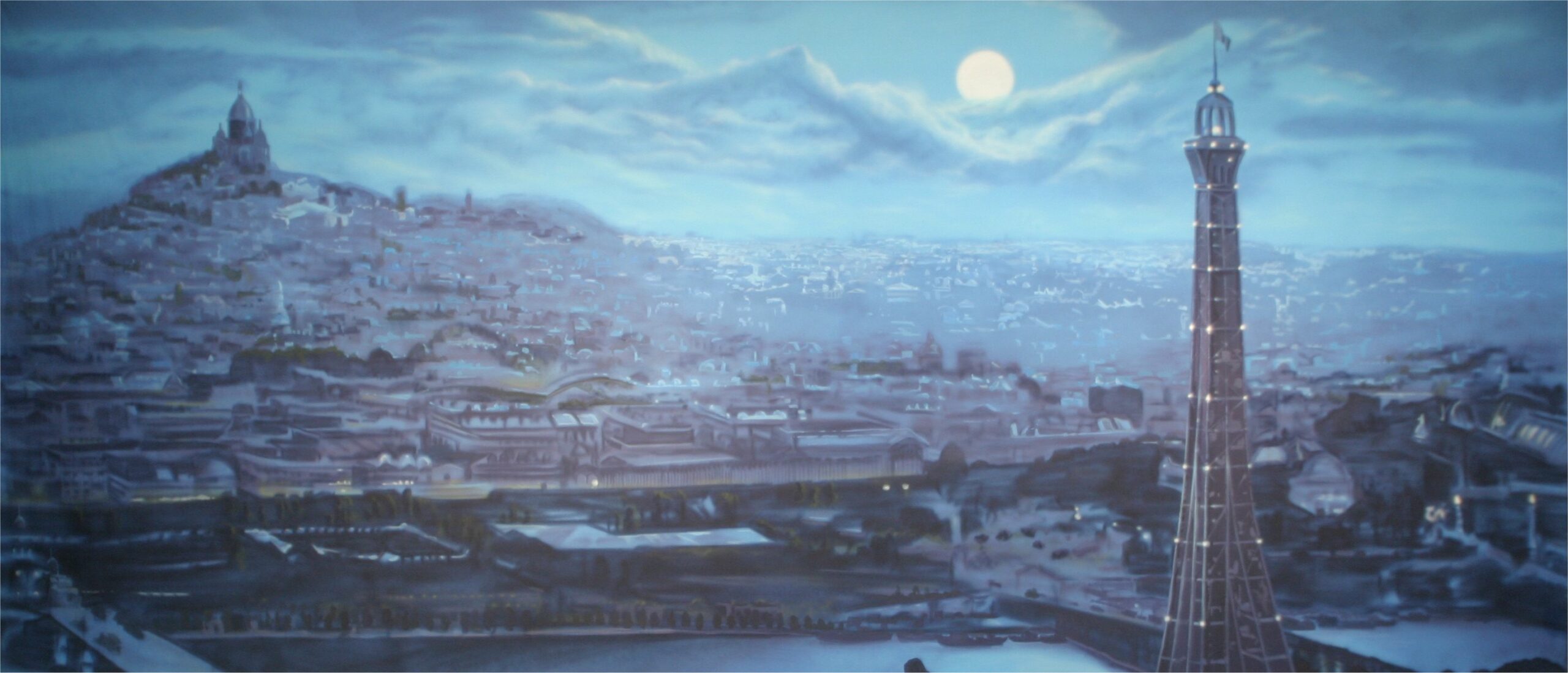
To bring this beautiful tragedy to life, use our Nighttime Paris, which displays the romance of France while showing a bird’s-eye view of Paris at night. This backdrop is perfect to showcase the love story between Rodolfo and Mimi.
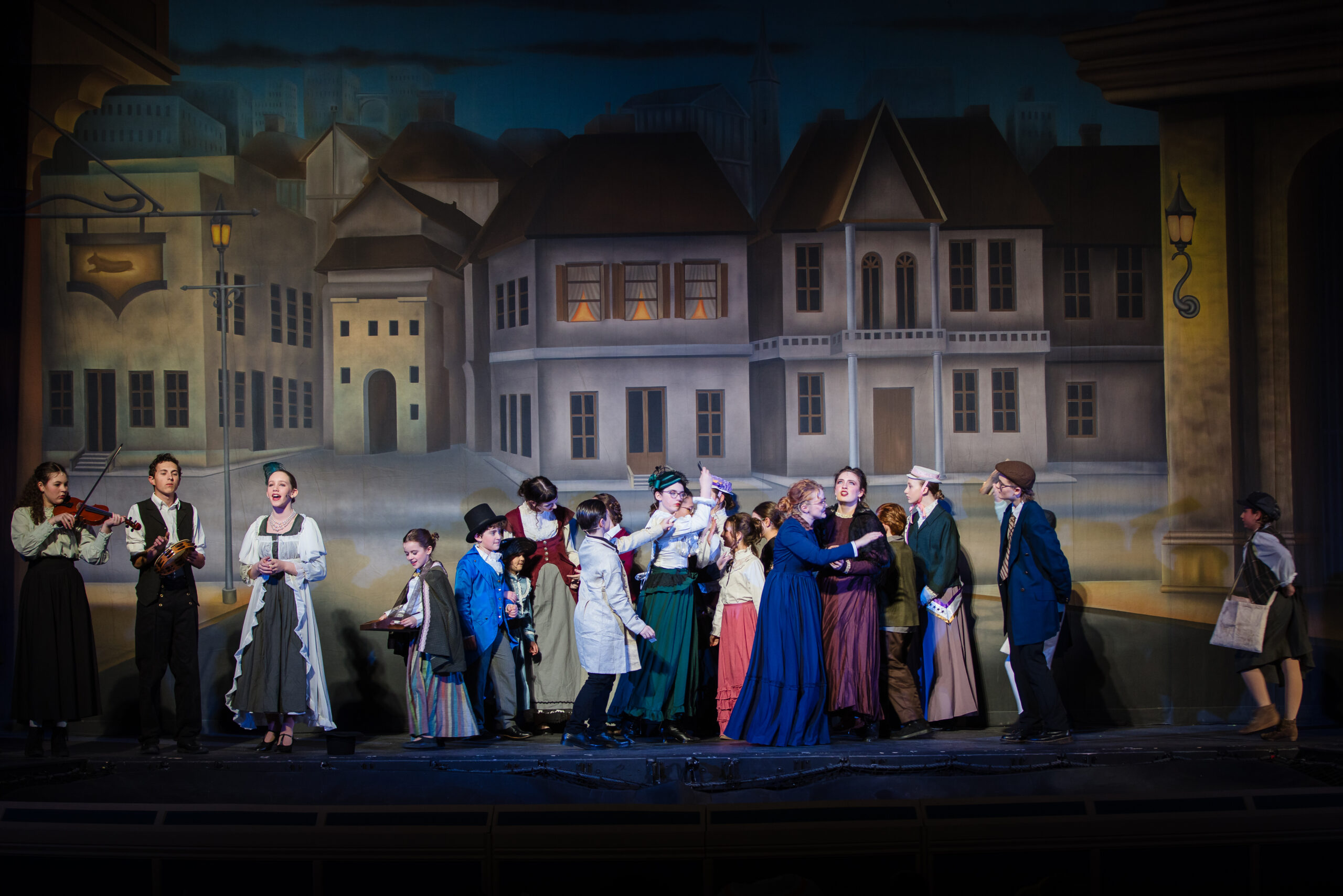
You may also rent our European Street backdrop. Our theatrical backdrop displays an old street at night with the lamps glowing in yellow. In the center, you see a brick pathway that leads to an old-style building. This drop is perfect for bringing to life the character’s Parisian lifestyle while keeping the bohemian theme alive.
Another great option is our Nighttime European Street, which features two buildings, one on each side of the street. In the center, there is a pathway looking out onto more grey, tall buildings. Yellow street lamps illuminate the street.
To highlight life at the garret, use our Room Interior backdrop, which depicts the inside of a humble home.
These backdrops will help you bring this classic to life while also keeping the original ambiance.
The Ring Cycle by Richard Wagner
This larger-than-life classic is based on Norse mythology and Germanic legends. It follows several characters across different generations as they struggle with greed, love, and willpower. Alberich, a dwarf, steals magical gold and forges a ring that gives him incredible power. Wotan, king of the gods, captures him and makes him surrender all his gold and treasures, including the ring. Alberich complies but curses the ring, and whoever wears it becomes consumed by greed and death.
The ring, its power, and its curse will follow Wotan and his future generations, as it slowly becomes the object of everyone’s ambition.
To stage the magical opera, you will need backdrops that truly capture the mythological and mysterious atmosphere of the story. Our Mystical Forest backdrop is a perfect fit for the theme; it is also painted with UV paint, so if you blacklight it, the yellow dots glow along with the forest floor.

Another great fit is our Fantasy Stairway, a backdrop that will transport your audience with its otherworldly beauty. The forest is composed of otherworldly trees with spindly trunks and delicate-looking foliage. From the mystical forest ground, a staircase winds its way up the misty mountain foothills, fading off into the distance. This backdrop is great for staging the magical Valhalla.
If you wish to go for a more opulent route, you may use our Noble Ballroom backdrop, which includes gabled windows, a massive chandelier, and a grand fireplace with a shield mounted above a warm, roaring fire, adding both grandeur and a sense of intimacy.
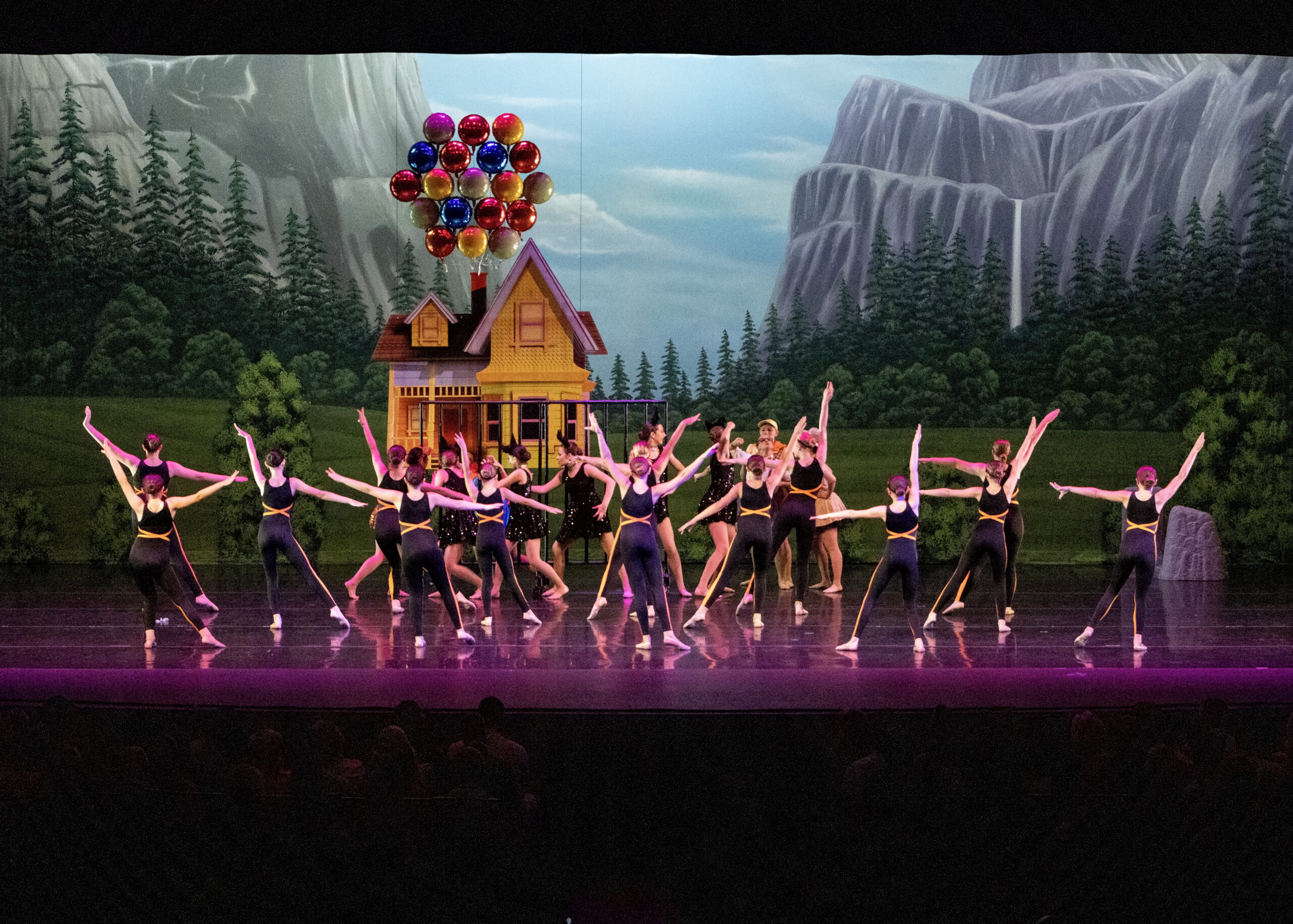
You can also use our Majestic Mountain Landscape to portray the land of the Valkyries. It features green trees and rolling hills covered in thick green grass. A forest begins just on the edge of the grass field. The perfect paradise for the fearless warriors.
And to bring to life Alberich’s endless treasures, use our Cave of Wonders backdrop, which displays mounds of brightly colored gold pieces, gorgeous emeralds, stunning rubies, and delicate sapphires.
Where the Wild Things Are by Oliver Knussen
Another beautiful story based on the popular children’s book; if you are looking for a children-friendly classic that will amaze and teach valuable lessons, this is your pick.
This timeless tale explores themes like imagination, anger, and independence. Max, the story’s protagonist, is playing around when his mother asks him to go to his bedroom. Max becomes angry and begins plotting revenge against his mother. He is then transported to a new land, where he encounters the Wild Things and is crowned their king. This journey will teach Max and the audience many beautiful lessons about growth, loneliness, and change.
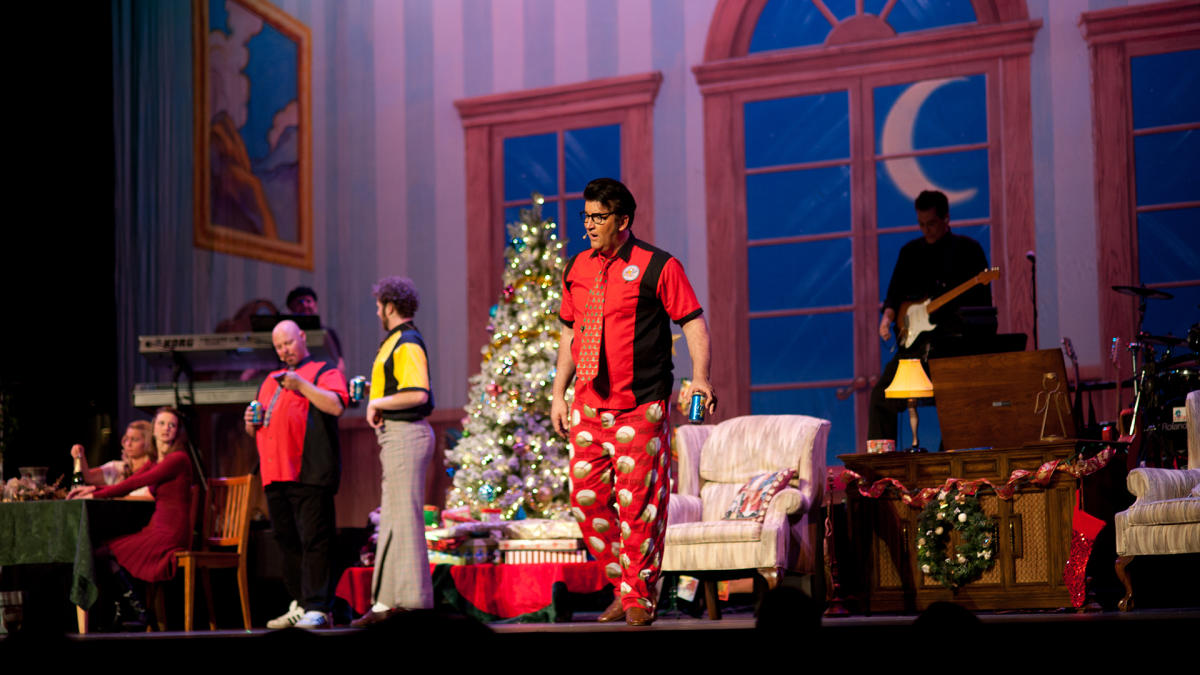
To stage the tale and elevate this experience for your kids, use our Darlings Children’s Bedroom to portray Max’ bedroom. This drop depicts a room with striped blue-and-white wallpaper. At the center of this room are three wide windows that open to the starry night sky outside, complete with a white crescent moon.
A great option to portray Max’s arrival at the Wild Thing’s island is our Night Tropical Sunset. It features an outline of the beach, with a crescent moon shining above the palm trees.
And to help you immerse your audience in this whimsical tale, we offer the Enchanted Forest Pop-Up Drop, which features red and green grass, mushrooms, and shrubs giving off major fairy-tale vibes.

Another great option is our Wildwood Forest. This enchanting scene features serene moss-draped tree trunks and towering redwoods, luscious ferns, and thriving purple flowers, creating an idyllic setting that will leave your audience spellbound by the mystical tranquility of the forest.
Create an unforgettable experience by using these charming backdrops while bringing this story to life.
Opera is For Everyone
Opera is a magical form of art: it brings together music and drama with beautiful stories about themes that remain relevant today. While the over-the-top singing may seem intimidating at first, soon you will realize it’s only binding the threads that make up this marvelous and grand storytelling.
Although the new generation may find it tedious or even difficult to relate to, it will most certainly open their minds to new things, let their imagination run free, and help them understand the importance of keeping classical art alive.



 8050 San Fernando Rd.
Sun Valley CA 91352
Call Us Toll Free